NFL Line Movement Strategy: Reading Odds Shifts Like a Sharp
 Available in US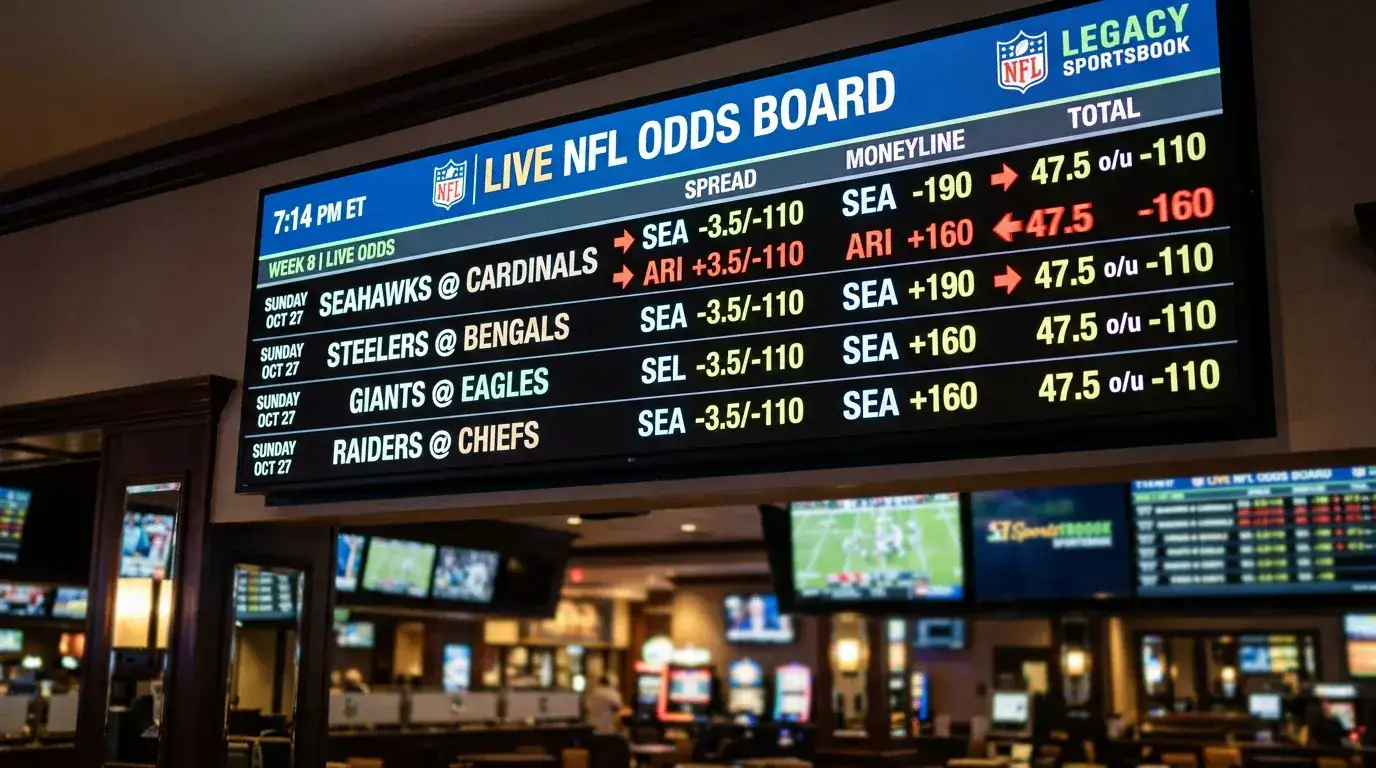
I once watched a line move from -3 to -2.5 on a Sunday morning despite 72% of public bets sitting on the favourite. That half-point shift in the wrong direction told me more about the game than any statistical model could. Somebody with significant money – and, presumably, significant information – was backing the underdog hard enough to move the market against the weight of public opinion. That’s the language of line movement, and learning to read it has been one of the most valuable skills I’ve developed in nine years of NFL betting.
NFL lines move for two reasons: money and information. Sometimes they’re the same thing. When a sharp bettor places a large wager, they’re introducing both capital and implied information into the market. When a flood of recreational bets pushes a line, the movement reflects money without meaningful information. Distinguishing between these two types of movement is the core skill. The total US sports betting handle hit approximately $165 billion in 2025 – an ocean of capital flowing through lines every week, and most of it is noise.
Opening vs Closing Lines: Why the Close Is Always Smarter
The opening line is the bookmaker’s first estimate. It’s set days before kickoff, before injury reports are finalised, before weather forecasts sharpen, and before sharp bettors have placed their opinions into the market. The closing line – the final number at kickoff – incorporates all of that information. It’s the most efficient price the market produces.
Pinnacle, the sharpest sportsbook in the world, publishes closing lines that the industry treats as the closest approximation to “true” odds. If Pinnacle closes a game at -4.5 and you got -3.5 early in the week, you captured a full point of closing line value. That point didn’t guarantee a win, but over hundreds of bets, consistently beating the closing line is the single most reliable predictor of long-term profitability.
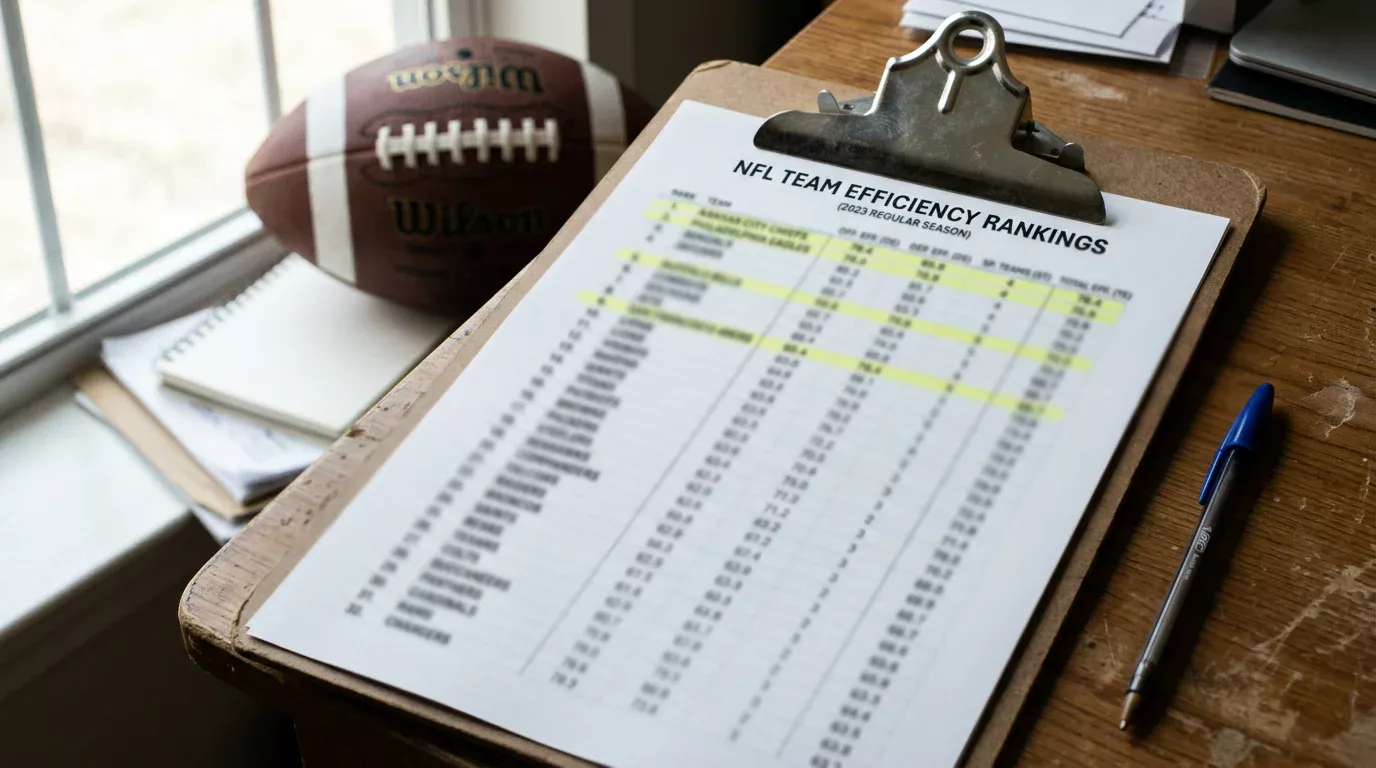
I track opening-to-closing movement for every NFL game, every week. The patterns repeat. Games involving popular teams – those with large national fanbases – tend to see opening lines shade toward the popular side, then drift back as sharp money corrects the imbalance. Games between two mid-market teams often see less movement because recreational interest is lower and the opening line doesn’t need to account for anticipated public bias.
The practical takeaway: if you’re betting sides, compare your price to the projected closing line. If you consistently get worse numbers than the close, you’re arriving after the value has been extracted. If you consistently get better numbers, your timing is working even if individual results vary. Closing line value is a leading indicator; win rate is a lagging one.
Reverse Line Movement: When the Line Moves Against the Money
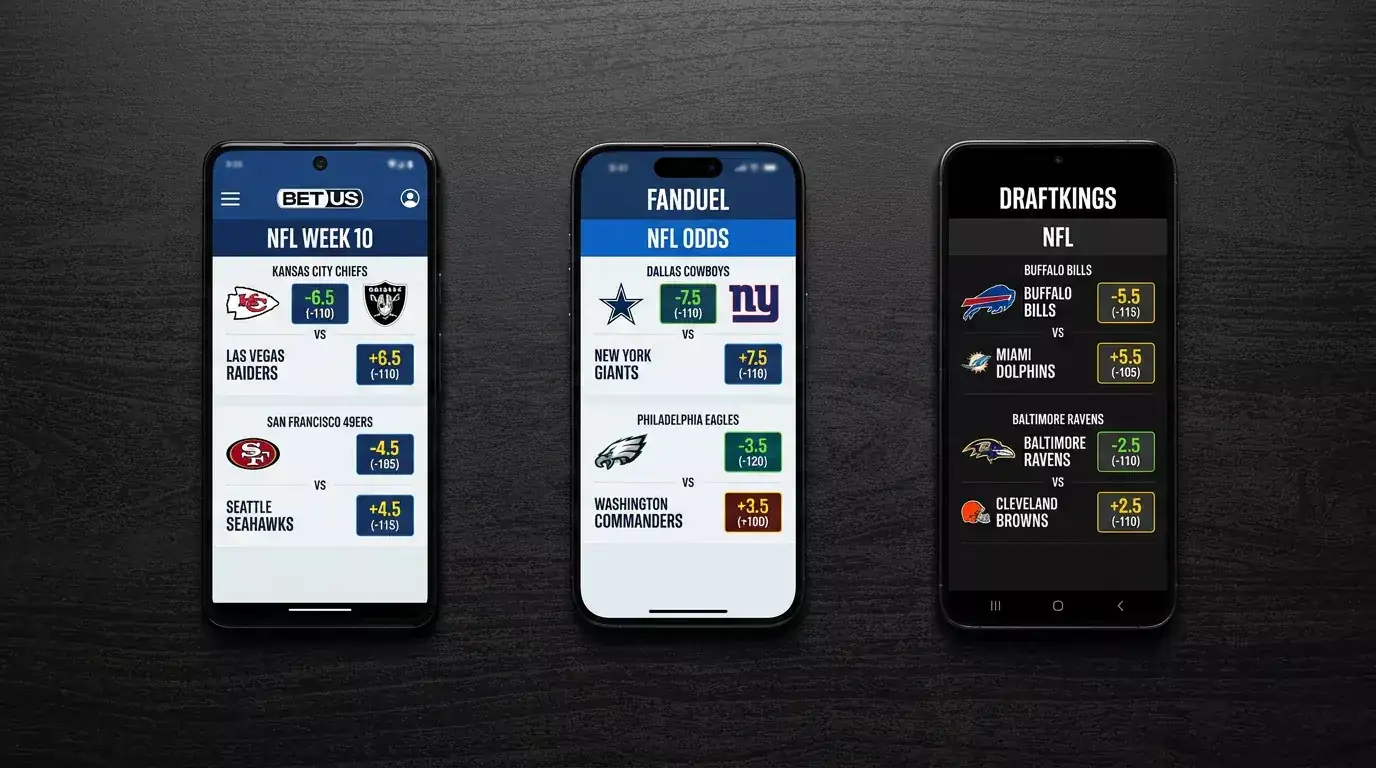
Reverse line movement is the most actionable signal in NFL betting, and it’s also the most misunderstood. The concept is simple: when the majority of bets are on one side but the line moves toward the other side, sharp money is overriding public money. The bookmaker respects the sharp action more than the recreational volume.
Here’s a concrete example from my notes. A 2023 game opened with Team A as a 6-point favourite. By Saturday evening, 68% of tickets and 61% of handle were on Team A. If the line were responding purely to volume, it should have moved to -6.5 or -7. Instead, it dropped to -5.5. That half-point move against the public told me that one or more large, respected accounts had taken Team B +6, and the bookmaker moved the line to limit their exposure to those sharp bets rather than balancing the recreational money.
Spotting RLM requires two data points most casual bettors don’t track: ticket percentages and handle percentages. A game where 75% of tickets are on the favourite but only 55% of handle is on the favourite suggests that the sharp money (larger individual bets) is on the underdog. When the line then moves toward the underdog, you have confirmed RLM.
I don’t blindly follow every RLM signal. Context matters. If the line moves half a point against the public in a game between two bad teams in Week 15, the signal is weaker – it might reflect one moderately sharp account rather than a consensus of respected bettors. If the line moves a full point against the public in a primetime game with heavy handle, the signal is much stronger. I weight RLM signals by the magnitude of movement, the total handle on the game, and whether multiple books are moving in the same direction simultaneously.
Steam moves – sudden, coordinated line movements across multiple sportsbooks within minutes – are the most extreme form of RLM. They indicate that a syndicate or group of sharps has placed large bets simultaneously at multiple books. By the time most recreational bettors notice a steam move, the value has been captured. Following steam moves after they’ve completed is usually too late. The edge is in positioning yourself before the steam, which means identifying the same factors that sharps are likely to target.
UK Line Availability: Timing and Access for British NFL Bettors
UK bookmakers release NFL lines later in the week than their US counterparts, which creates both challenges and opportunities. The UK sports betting market generates £2.48 billion in annual GGY, but NFL represents a small fraction of that – most UK action flows to Premier League and horse racing. That relatively lower NFL volume means UK books sometimes post lines that are less sharp than US originals.
The timing works like this. US sportsbooks typically post look-ahead lines on Sunday evening for the following week, then release full opening lines by Tuesday. UK books like Sky Bet, bet365, and Betfair usually post NFL lines by Wednesday or Thursday. By that point, the US market has already incorporated two days of sharp action. If a UK book posts a line that hasn’t fully adjusted to US market movements, you can capture residual value.
Betfair Exchange deserves special mention because it operates as a peer-to-peer market rather than a traditional bookmaker. NFL liquidity on Betfair is lower than on Premier League markets, which means prices can be less efficient but also harder to get matched at the price you want. I use Betfair primarily as a comparison tool – if the Exchange price diverges significantly from fixed-odds prices at UK books, it signals that the fixed-odds market hasn’t fully adjusted.
My workflow for UK NFL betting follows a consistent pattern. I monitor US opening lines on Tuesday, identify games where I have a strong opinion, then check UK book prices on Wednesday and Thursday. If the UK price is more favourable than the current US line, I bet immediately. If the UK price has already aligned with the US market, I wait and watch for late-week movement. This approach has consistently generated positive closing line value compared to the closing UK prices, which is the metric that matters for long-term profitability.
For a deeper look at how closing line value functions as a tracking metric and why it predicts long-term profit better than win rate, I’ve covered the full framework in my closing line value analysis.
What is reverse line movement in NFL betting?
Reverse line movement occurs when the betting line moves in the opposite direction from where the majority of bets are placed. If 70% of bets are on the favourite but the line moves from -6 to -5.5, sharp money on the underdog is overriding public volume. Bookmakers respect large, informed bets more than recreational volume, so the line shifts toward the sharp side. RLM is one of the most reliable signals for identifying where professional bettors are positioned, though it requires access to both ticket percentage and handle percentage data to confirm.
How early before kickoff should I place NFL bets to capture line value?
The optimal timing depends on your edge source. If you’re exploiting UK bookmaker lines that haven’t fully adjusted to US sharp action, bet on Wednesday or Thursday when UK lines first appear. If you’re targeting late-week injury or weather information, wait until Saturday or Sunday morning. The general principle: bet early when you believe the line will move against you as more information enters the market, and bet late when you expect late-breaking news to move the line in your favour. Track your closing line value over at least 200 bets to determine whether your timing is consistently capturing or missing value.
Prepared by the nfl Betting Systems editorial staff.