Line Shopping for NFL Bets: How Half a Point Changes Everything
 Available in US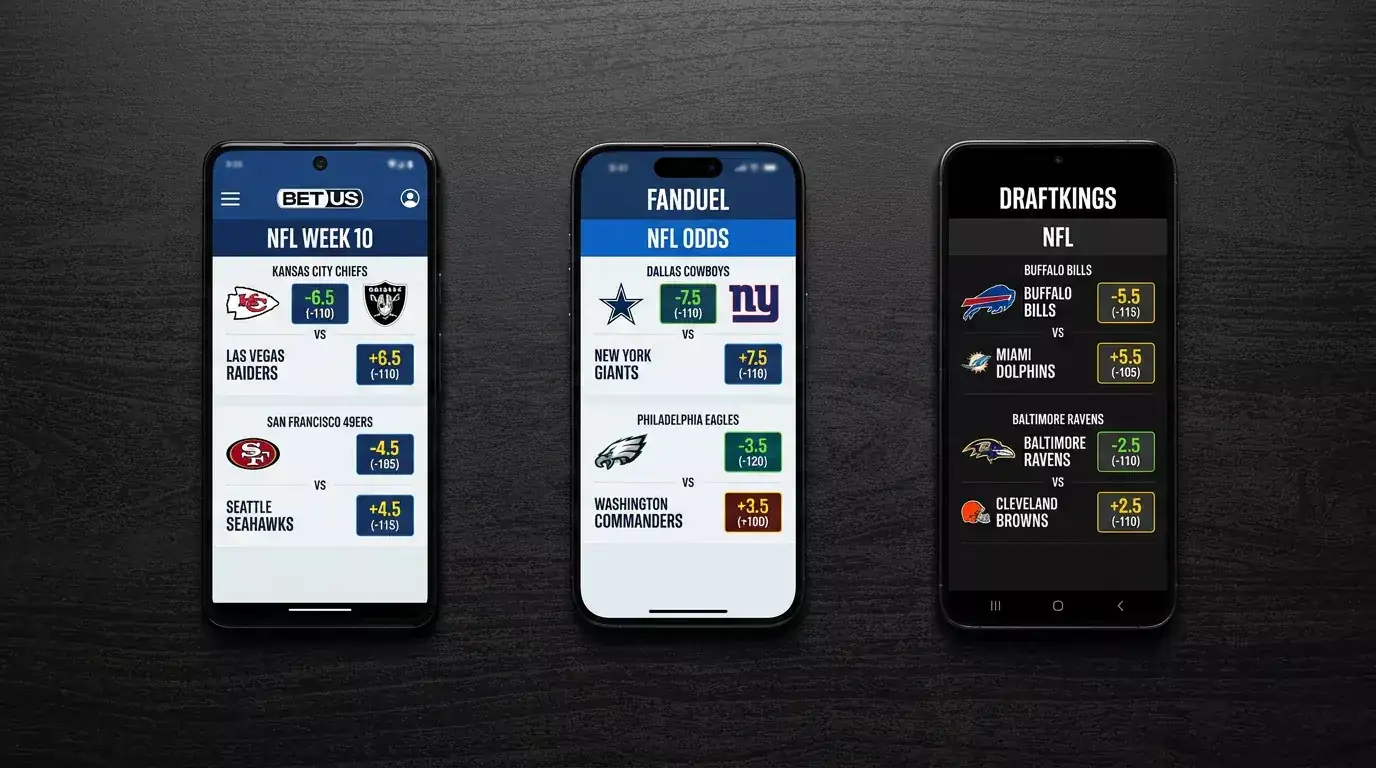
In my second season of serious NFL betting, I kept meticulous records of every wager. At the end of the year, I went back and checked how many of my losing spread bets would have been winners or pushes if I’d had the line half a point better. The answer was 11 out of 83 losing bets. Eleven bets — representing a swing from loss to win or push — all because of half a point I could have captured by spending 90 seconds checking a second bookmaker. That exercise converted me from a single-account bettor to someone who holds accounts at five UK bookmakers and checks lines on every single NFL play.
Line shopping is the simplest edge multiplier in sports betting. It doesn’t require a model, a database, or any analytical skill beyond basic comparison. It’s free. It takes less than two minutes per bet. And over a full NFL season, it’s worth more to your bottom line than most system refinements. The break-even win rate at standard -110 juice sits at 52.38%. Capturing half a point on the spread 2-3% of the time through line shopping shifts your effective break-even downward — functionally giving you 1-2 extra wins per season that you didn’t earn through better picks, just through better prices.
Key Numbers Impact: Why 3 and 7 Dominate the Maths
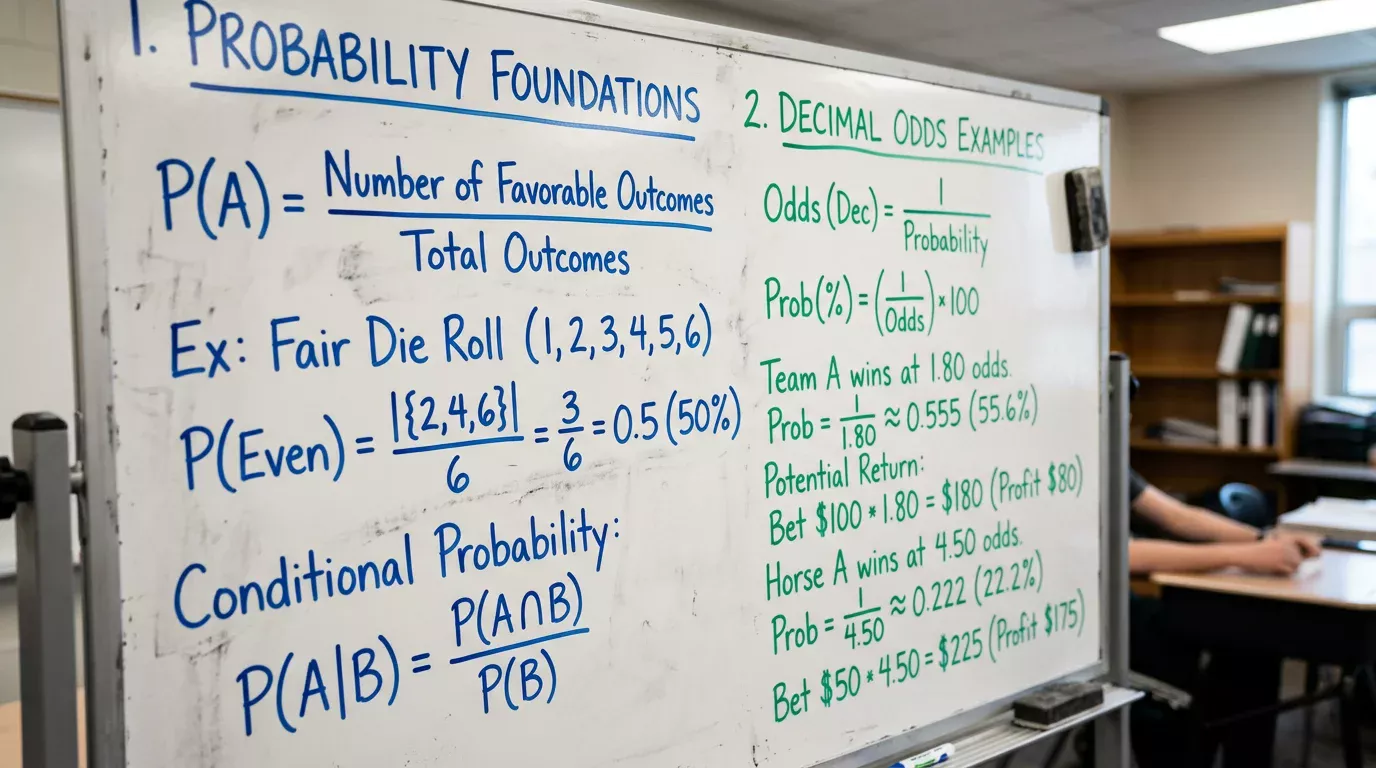
Not all half-points are created equal. Getting -2.5 instead of -3 is dramatically more valuable than getting -4.5 instead of -5. The reason is NFL scoring structure: approximately 15% of all games are decided by exactly 3 points, and roughly 6% by exactly 7 points. No other margins come close to that frequency. These are the key numbers, and any line movement that crosses through them — or avoids landing on them — carries outsized value.
If you’re betting a favourite at -3 and one bookmaker offers -2.5, you’ve crossed through the single most important margin in football. That half-point converts approximately 7-8% of pushes into wins and avoids roughly 7-8% of outright losses becoming pushes. In expected value terms, that shift is worth roughly 4-5 cents per pound wagered. On a £10 unit, it’s 40-50p per bet. Over 100 bets per season, it’s £40-£50 — pure profit extracted from better pricing, not better picking.
The same logic applies at 7. Getting +7.5 instead of +7 on an underdog captures the full value of touchdown-margin outcomes, which represent the second most common decisive margin. Getting -6.5 instead of -7 on a favourite avoids the cliff of landing exactly on a touchdown margin.
Away from key numbers, the value of a half-point drops significantly. Moving from -5 to -4.5 or from +4 to +4.5 is still positive, but the probability impact is much smaller because games decided by exactly 4 or 5 points are considerably less common than those decided by 3 or 7. I prioritise my line shopping effort on games where the spread sits within a point of 3 or 7 on either side. Those are the spots where the comparison effort delivers its highest return.
Multi-Book Strategy for UK Punters
Five accounts. That’s my working number for effective NFL line shopping from the UK. The UK sports betting market generates £2.48 billion in annual gross gambling yield, and the competition among operators means they price NFL markets slightly differently from one another — not dramatically, but enough to matter across a season of bets.
Each major UK bookmaker sets its NFL lines using a combination of US-market feeds and its own adjustment algorithms. The base numbers are similar, but the adjustments differ. One bookmaker might shade its line a half-point toward the public favourite because its customer base skews recreational. Another might offer tighter margins on NFL spreads to attract sharp action it can use to calibrate its Premier League book. These differences are small — typically 0.5 to 1.5 points on the spread and 3-5 pence in the decimal odds — but small differences compound into meaningful value over a full season.
Exchange platforms add another dimension. Exchange odds don’t include a traditional bookmaker overround; instead, you pay a commission on winnings. For NFL spreads, the exchange price is typically 1.95-1.98 decimal compared to the standard bookmaker price of 1.90-1.91. That 4-7 pence difference per pound staked represents a structural advantage on every bet where the exchange offers the line you want. I use the exchange as my benchmark — if I can get a better price at a traditional bookmaker, I take it there; if the exchange offers the best price, I take it on the exchange.
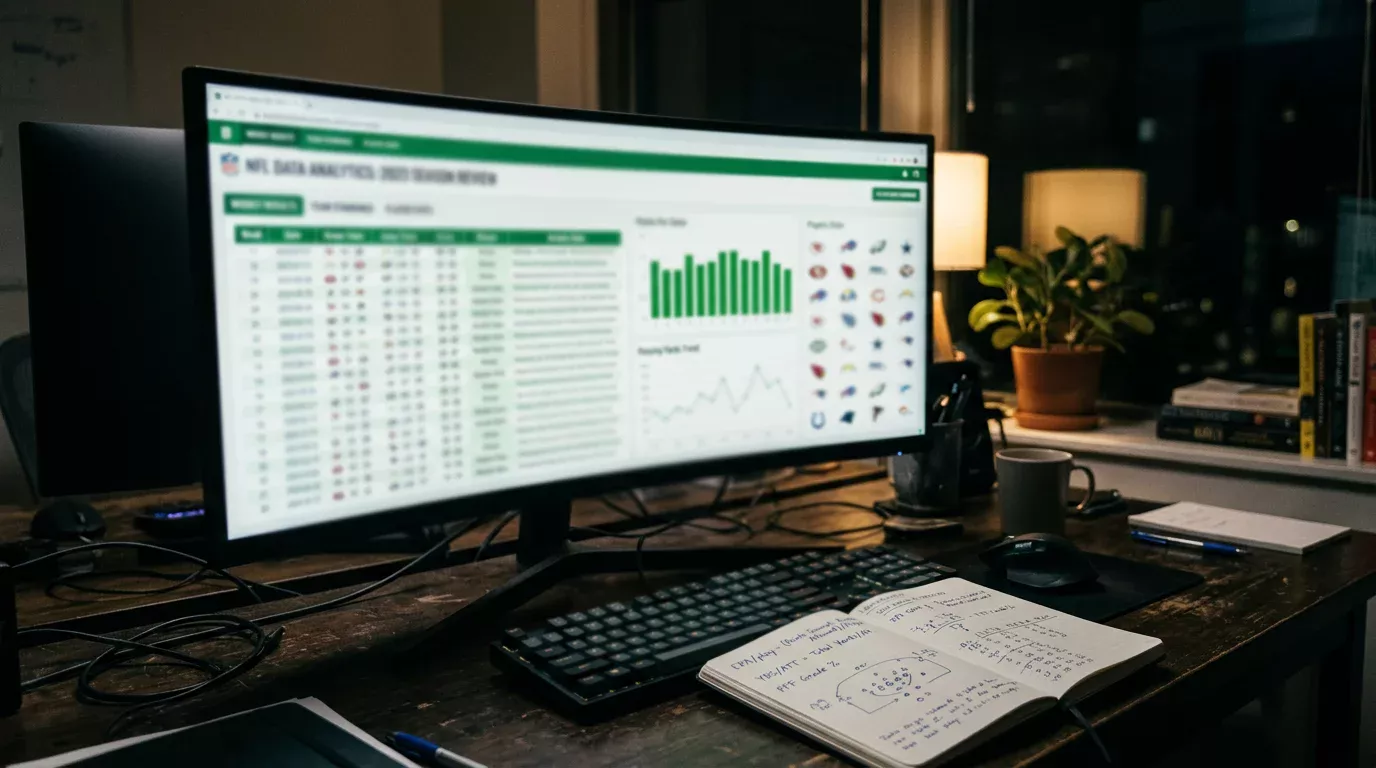
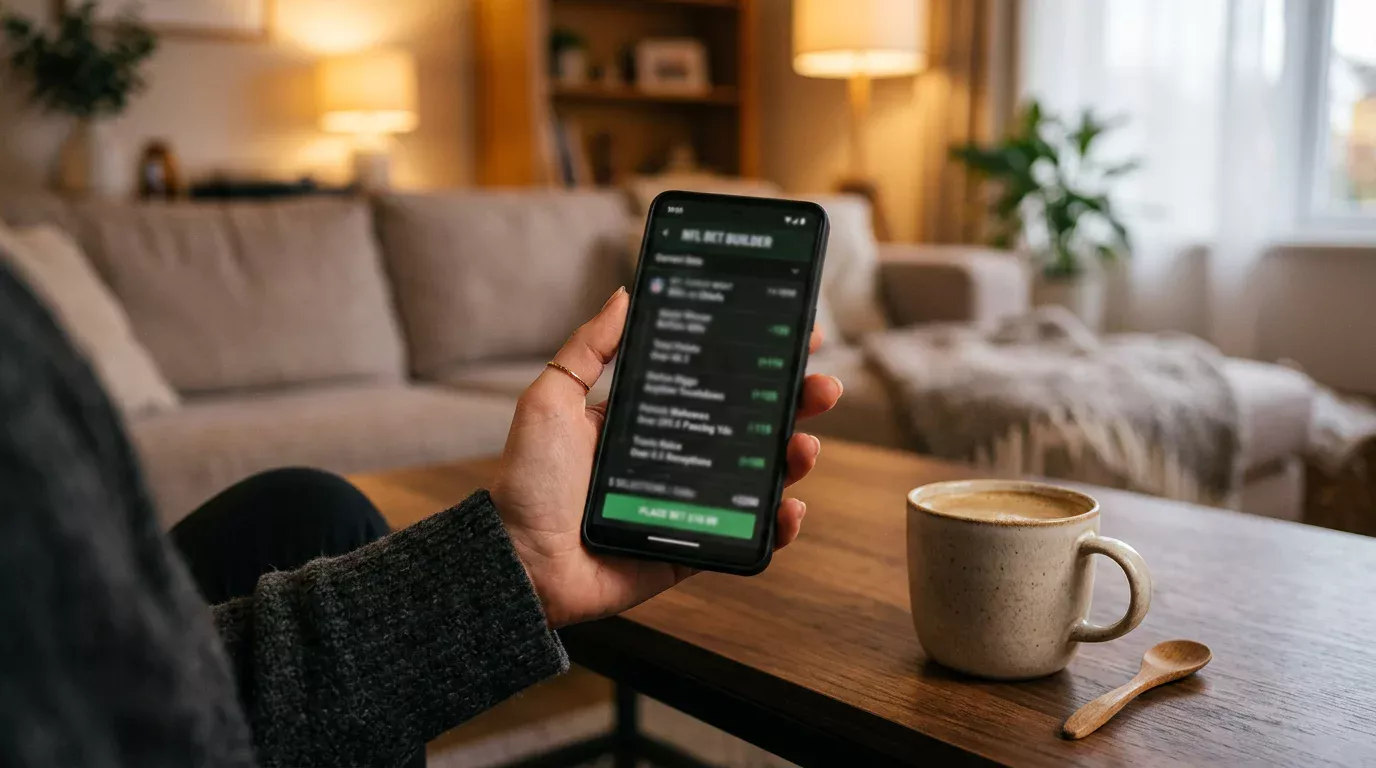
The practical workflow: I check lines on Tuesday or Wednesday when NFL spreads are first posted, note the best available number at each bookmaker, and place my bet at the bookmaker offering the best line. For games where the spread sits near a key number, I recheck on Sunday morning because line movement during the week may have created a new best price. The total time investment is 10-15 minutes per week — less time than I spend reading one pre-game analysis article, and with a more reliable impact on my season-long ROI.
Timing Your Placement: When to Grab, When to Wait
Line shopping isn’t just about comparing prices at a single point in time. It’s about knowing when during the week the best price is likely to be available — and having the discipline to wait when early prices are unfavourable.
NFL lines open on Sunday evening or Monday morning (UK time) for the following week’s games. Opening lines are set by market-making books and are designed to be close to efficient but with room for adjustment as money flows in. Sharp bettors — the handicappers whose models are respected by the market — tend to bet early in the week, between Monday and Wednesday. Their action moves lines. By Thursday, the line has typically absorbed the sharpest opinions and begins a slower drift driven by public money.
For UK punters, the optimal timing depends on which side you’re taking. If you’re betting the same side as sharp money (contrarian plays, underdogs in spots where the public overvalues the favourite), bet early in the week before the line moves away from you. If you’re betting the popular side (a favourite that your system also favours), wait until closer to kickoff when public money has pushed the line in your direction and the bookmaker’s adjustment has overshot. I’d estimate that 60% of my NFL bets are placed by Wednesday, with the remaining 40% placed on Sunday morning after a final line check.
One timing trap to avoid: grabbing an early line that looks favourable without checking whether it’s likely to improve further. If a line opens at -3 and you expect sharp money to push it to -3.5 or -4 by Wednesday, waiting gives you a better number on the underdog and a worse number on the favourite. The line’s direction matters as much as its current level. I keep a simple log of opening lines versus closing lines for each game, and after two seasons of tracking, I’ve developed a reasonable intuition for which opening lines represent value and which are traps set to attract early money before the correction.
Line shopping and closing line value tracking are complementary skills. The bettor who consistently gets better prices through line shopping will, by definition, achieve positive CLV more frequently. And positive CLV is the single strongest predictor of long-term profitability. Half a point doesn’t sound like much. Over 100 bets, it’s the difference between a marginal season and a profitable one. Over five seasons, it’s the difference between a recreational hobby and a systematic advantage.
How much does half a point on an NFL spread affect long-term profitability?
Half a point on an NFL spread affects approximately 2-3% of bet outcomes over a full season. On key numbers (3 and 7), the impact is significantly larger — moving from -3 to -2.5 changes the outcome of roughly 7-8% of bets involving that margin. Over 100 bets per season, consistently capturing half a point through line shopping is worth approximately 1-2 additional wins. At standard £10 unit sizing, that translates to £40-£50 in additional profit per season from pricing alone, independent of selection quality. Over multiple seasons, this advantage compounds into one of the most reliable profit sources available.
How many UK bookmaker accounts do I need for effective NFL line shopping?
Five accounts provide sufficient coverage for most UK-based NFL bettors. The major bookmakers each price NFL markets slightly differently based on their customer base and risk models, and five accounts capture the majority of available price variation. Adding an exchange account brings the total to six and provides a low-margin benchmark for comparison. Beyond six accounts, the marginal benefit of each additional bookmaker diminishes because line differences across the broader UK market are typically small. The key is checking all five before every bet and placing with whoever offers the best number — particularly on games where the spread sits near the key numbers of 3 and 7.
Prepared by the nfl Betting Systems editorial staff.