Super Bowl Betting Strategy: Props, Spreads and the Biggest Handle of the Year
 Available in US
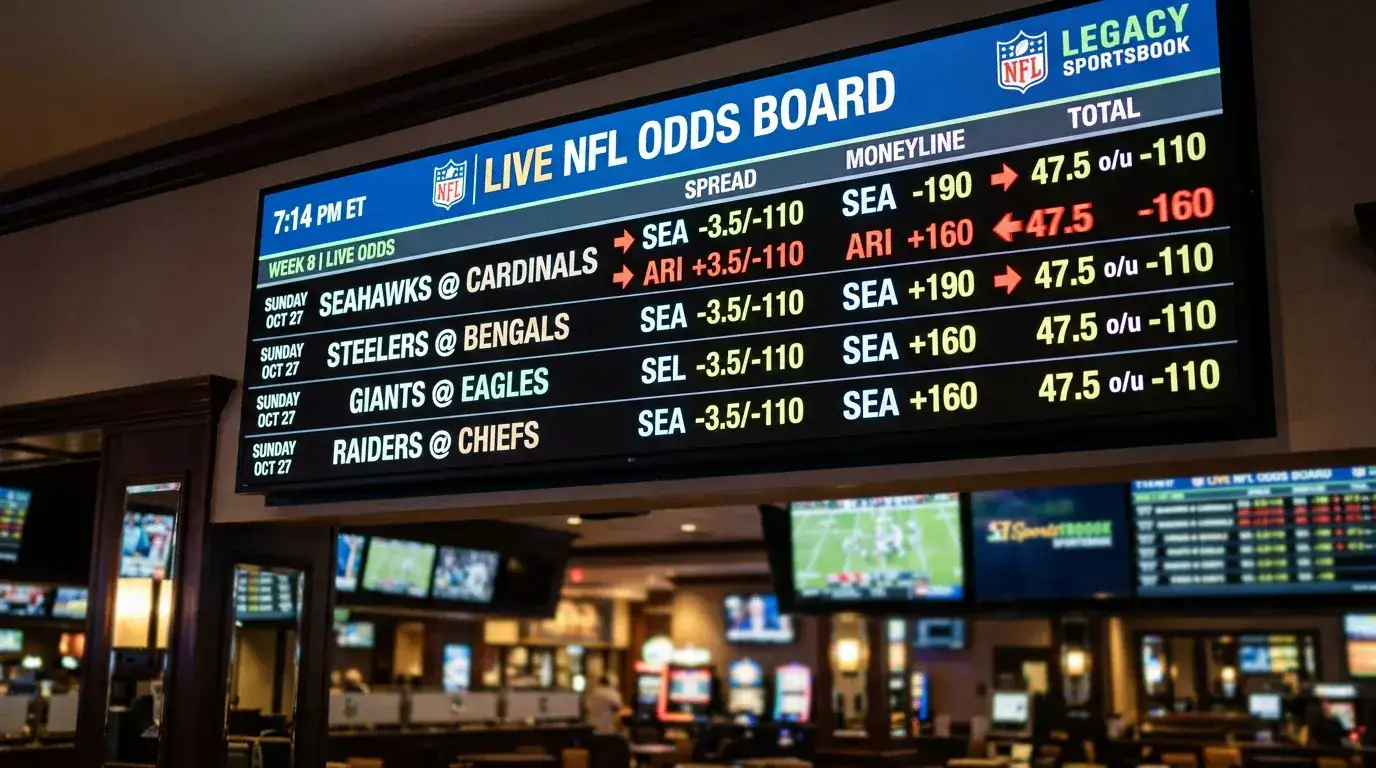
The Super Bowl is the only NFL game where my mates who’ve never placed a bet all year suddenly have strong opinions. “The favourite’s a lock.” “I’m taking the over because it’s going to be exciting.” “I’ll do a same-game parlay on the MVP and the first scorer.” Every one of those impulses is money flowing into the market in a predictable direction — toward favourites, toward overs, toward high-payout props. And every year, that flood of recreational cash creates the biggest contrarian opportunity on the NFL calendar.
Super Bowl viewing in the UK has exploded. Sky Sports recorded a peak audience of 761,000 viewers for the most recent tracked Super Bowl, up 35% year-on-year. Among viewers under 35, the growth was 91%. That’s not just an audience statistic — it’s a betting indicator. Every new viewer is a potential new bettor, and new bettors bet predictably: favourites, overs, and star players.
Public Money Inflation: How Casual Bettors Move the Line
Bill Miller of the American Gaming Association has described the Super Bowl as an event where record legal handle reflects the game’s “widespread appeal.” That widespread appeal is the mechanism. The Super Bowl attracts billions in handle from people who bet once a year. They don’t track line movement. They don’t calculate implied probability. They pick the team they’ve heard more about, take the over because big games should be exciting, and sprinkle props on familiar names.
This recreational flood inflates the favourite’s line by 1-2 points compared to what sharp-money pricing would produce. If the “true” spread based on team quality is -3, the Super Bowl spread might open at -3.5 and move to -4 by game day as public money piles onto the favourite. That inflation is the contrarian opportunity: the underdog gets extra points not because they’re better than the market initially thought, but because the public is overpaying for the favourite.
Super Bowl underdogs have covered the spread at a rate that exceeds the regular-season underdog baseline. The two-week preparation period between the Conference Championships and the Super Bowl contributes — both teams have maximum time to game-plan, which compresses the schematic advantage that typically favours the better team. Combine that preparation equaliser with the public-money inflation on the favourite, and you get a structural lean toward the underdog that recurs year after year.
I’m not saying “always bet the Super Bowl underdog.” I’m saying the underdog’s ATS price includes a free 1-2 points of value from public-money distortion that doesn’t exist in a standard Week 8 matchup. Factor that into your analysis. If your model says the game should be -2.5 and the line is -4.5, you’re getting 2 points of pure contrarian edge — and that’s before any opinion on the actual matchup.
Super Bowl Prop Edges: Entertainment vs Exploitable Markets
The Super Bowl prop market is the deepest of the year. You can bet on the length of the national anthem, the colour of the Gatorade shower, the coin toss result, and dozens of player performance props. The liquidity is enormous — more money is bet on Super Bowl props than on the entire handle of a typical regular-season Sunday. But liquidity doesn’t mean efficiency.
Entertainment props — anthem length, coin toss, Gatorade colour — are pure gambling. The overrounds are massive, the outcomes are random, and no amount of analysis can create an edge. I skip them entirely. They exist to attract casual handle, and the bookmaker’s margins on these markets are designed for exactly that purpose.
Player performance props are where analytical edge is possible, but the margins are still steep compared to regular-season props. The Super Bowl attracts so much prop money that bookmakers can afford to shade their lines aggressively. A receiver’s yardage line that would be priced at the 50th percentile of outcomes during the regular season might be priced at the 45th percentile for the Super Bowl — meaning the bookmaker is effectively charging you more for the same market.
The props I do consider are those where the two-week preparation period creates specific game-script predictability. If one team is likely to control the ball and run the clock, their running back’s rushing line may understate his projected volume because the market is pricing based on season average rather than game-specific script. Similarly, the quarterback of the trailing team — which the market identifies through the spread — should exceed his passing volume average because negative game scripts demand more passing attempts.
Historical Spread Trends: Why the Super Bowl Stays Close
Super Bowls are disproportionately close games. The historical average margin of victory in the Super Bowl is smaller than in regular-season games, and games decided by 3 points or fewer occur more frequently than the seasonal base rate. This closeness isn’t coincidence — it reflects the two-week preparation window that allows both coaching staffs to maximise their game plans.
The preparation effect is real. During the regular season, coaching staffs have roughly one week to prepare for a specific opponent while simultaneously recovering from the previous game. Before the Super Bowl, both teams have two full weeks to focus exclusively on one opponent. That extra preparation time disproportionately benefits the underdog, because the inferior team has more to gain from targeted game-planning than the superior team, whose advantages are already reflected in the spread.
Close games mean the underdog covers more often than in high-spread situations, which reinforces the contrarian argument. If the expected margin of victory clusters around 3-5 points, a spread set at 4.5 or higher based on public-money inflation puts the underdog in a structurally favourable position. They don’t need to win outright — they need to lose by less than a number that’s been inflated beyond the game’s likely dynamics.
For UK punters, the Super Bowl presents a practical advantage: it’s a single game with two weeks of available analysis time. There’s no slate of 14 games to evaluate in a weekend. You can dedicate your full analytical framework — matchup modelling, weather assessment (if outdoor), game-script projection, prop correlation analysis — to one game. That concentration of effort produces better-informed bets than the weekly grind of regular-season analysis, where you’re spreading attention across a full Sunday slate.
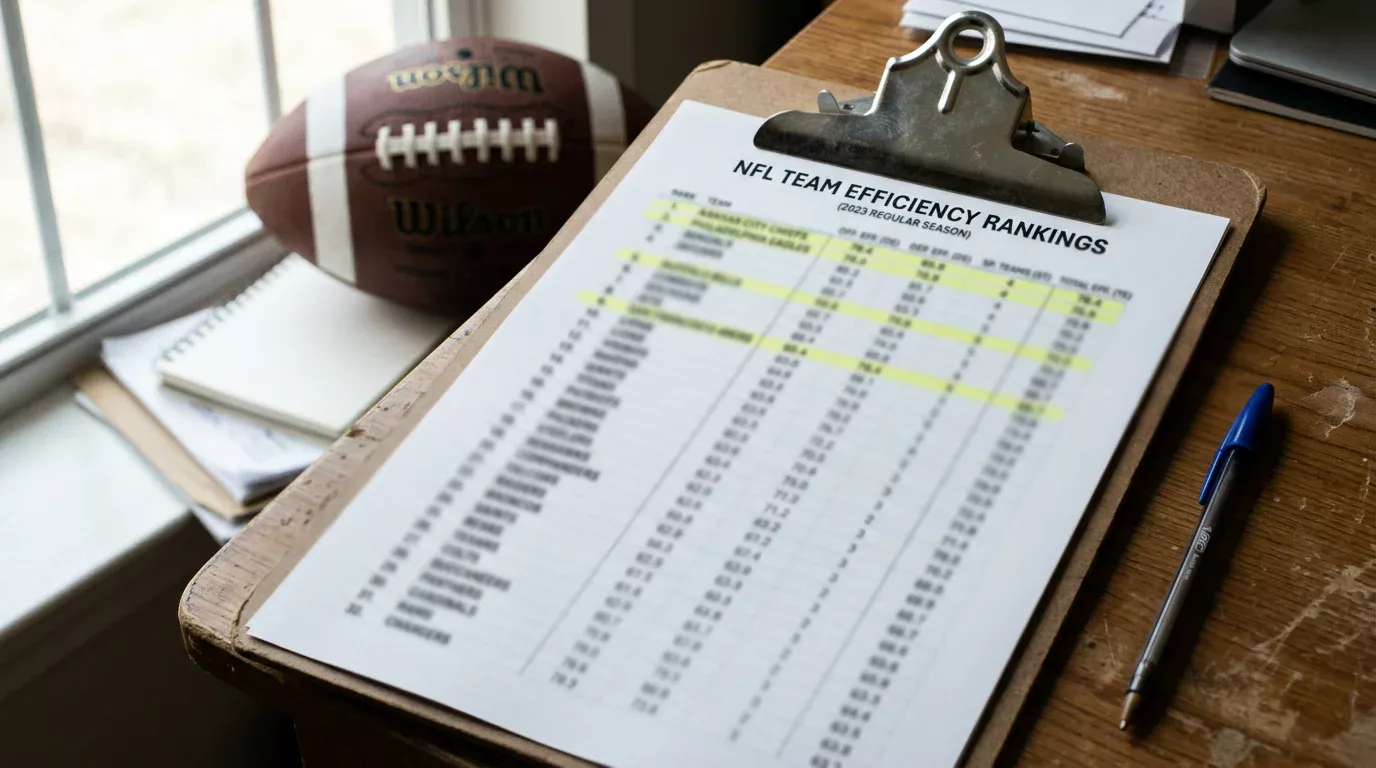
My Super Bowl process starts the Monday after the Conference Championships. I build my own spread using EPA differentials, assess the likely game script, identify 2-3 prop bets aligned with that script, and then wait for the line to move through the public-money inflation cycle before placing the spread bet. I rarely bet the spread before Thursday of Super Bowl week, because the public money hasn’t fully arrived until mid-week. Let the recreational bettors move the line in your favour, then step in on the other side. It’s the purest application of contrarian betting the NFL calendar offers, and for my approach to contrarian frameworks more broadly, I’ve detailed the methodology in my playoffs betting system piece.
Are Super Bowl underdogs historically profitable against the spread?
Super Bowl underdogs have covered the spread at rates exceeding the regular-season underdog baseline. Two factors drive this: the two-week preparation period compresses the tactical gap between the teams, and the flood of public money on the favourite inflates the spread by 1-2 points beyond what team quality alone would warrant. This combination means the underdog receives extra points that aren’t earned by their on-field improvement but by the market’s recreational-money distortion. The effect is consistent enough to be a structural feature of Super Bowl betting rather than a random historical pattern.
Why is the Super Bowl considered the best contrarian betting opportunity of the NFL season?
The Super Bowl attracts the largest concentration of recreational betting money of any single sporting event. Once-a-year bettors overwhelmingly favour the favourite, bet overs, and select popular player props — all in predictable patterns that inflate prices on one side of the market. This predictability creates the largest and most consistent contrarian edge of the season: the underdog gets extra points from public-money inflation, the under benefits from public over-bias, and prop markets carry wider overrounds that the bookmaker can afford because of the enormous volume. No regular-season game replicates this concentration of exploitable public action.
Published by the nfl Betting Systems team.